Ready to Play?
Click the button below to start playing Mega Shark. The game will load in this area.
Mega Shark
Learn how to play Mega Shark online with beginner tips, advanced score tactics, best sharks, safe sites, and settings to survive longer and top leaderboards.
Mega Shark
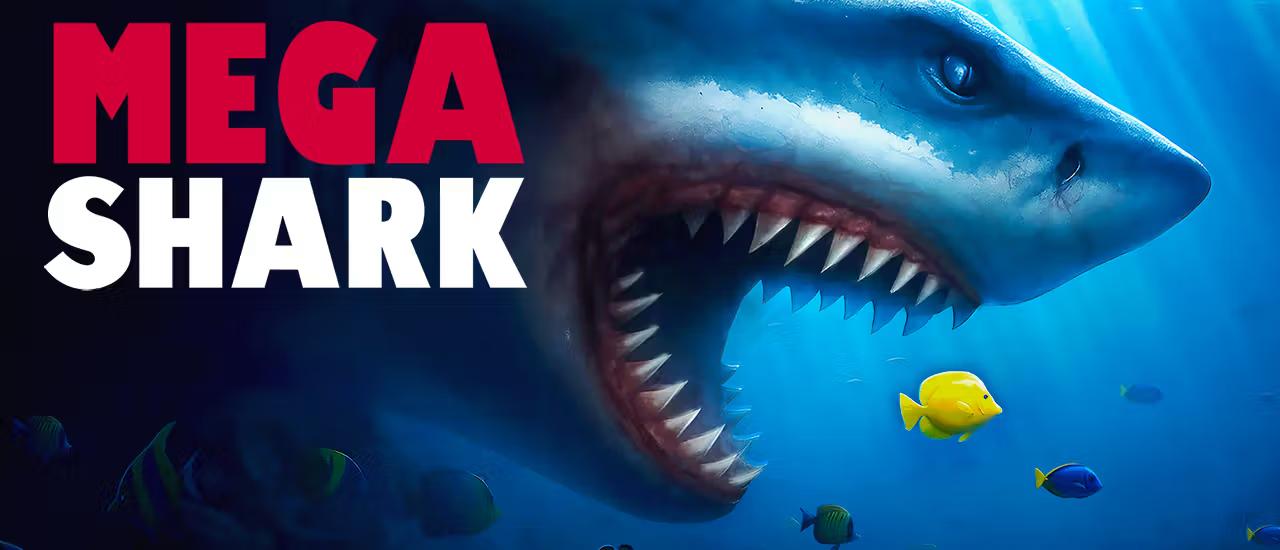
Mega Shark is one of those online website games that looks simple for a few minutes… and then suddenly we're chasing high scores at 2 a.m., trying to survive just a few seconds longer.
In this guide, we're going to break down everything we need to know to get started with Mega Shark online, survive longer, and push our high scores into leaderboard territory. We'll cover basic rules, scoring, beginner and advanced strategies, customization, and even how to stay safe and play responsibly on legit Mega Shark websites.
Whether we've just discovered Mega Shark or we've already been eaten more times than we can count, this walkthrough will help us play smarter, not just harder.
What Is Mega Shark?
Mega Shark is an arcade‑style online browser game where we control a powerful shark rampaging through the ocean, eating prey, dodging hazards, and chaining together attacks to build massive combos.
The core loop is simple:
- Survive as long as possible
- Score as many points as we can
- Unlock stronger sharks, abilities, and cosmetics
The game is fast, reactive, and easy to learn, but the scoring system and map hazards give it just enough depth to keep us coming back.
Core Gameplay Mechanics
At its heart, Mega Shark is about movement and timing.
Core mechanics include:
- Free‑swimming movement: We steer our shark in 2D space using directional inputs (keyboard, mouse, or touch). Movement speed, turning radius, and dash length depend on the shark we're using and any equipped abilities.
- Bite / attack action: A single main attack lets us chomp smaller fish, enemy divers, and certain destructible objects. Attacks chained in quick succession start a combo multiplier.
- Dash / boost: A short, high‑speed burst that lets us close gaps, escape hazards, or break through obstacles. Dashes often consume a stamina or boost bar that refills gradually or via pickups.
- Stamina / health: Most sharks have a health bar that depletes when we hit mines, get shot, run into bigger predators, or starve (go too long without eating). Once it's empty, the run is over.
- Pickup items: Floating power‑ups, health packs, and temporary buffs spawn throughout the level. Managing when and how we grab these is a huge part of high‑level play.
The game feels like a mix of endless runner and arcade shooter, but with the chaos of an underwater feeding frenzy.
Game Modes And Difficulty Levels
While specifics can vary by site and version, Mega Shark typically offers several modes:
- Classic / Endless Mode: Our shark swims through a continuously scrolling map, and the goal is survival and score. Enemies scale in difficulty over time.
- Time Attack: We have a fixed amount of time to earn as many points as possible. Time bonuses, combos, and efficient routing matter more than pure survival.
- Mission / Challenge Mode: Short, focused levels with specific objectives such as:
- Eat a certain number of fish
- Survive for X seconds without taking damage
- Reach a target score using a specific shark or loadout
- Hardcore / Expert: Harsher damage, more hazards, and often fewer healing items. Great for players who already understand the routes and enemy patterns.
As difficulty ramps up, we'll see:
- Faster enemy projectiles
- Tighter spaces
- More mines and traps
- Stricter timing windows for dodging
Devices, Browsers, And System Requirements
Mega Shark is usually designed as a browser‑based game, which means we can play it without big downloads.
Typical requirements and recommendations:
- Devices:
- Desktop or laptop (Windows, macOS, Linux) for best control
- Many versions also support mobile browsers on Android and iOS
- Browsers:
- Modern browsers like Chrome, Edge, Firefox, or Safari
- Make sure hardware acceleration is enabled for smoother performance
- Connection:
- Stable broadband or strong Wi‑Fi
- If multiplayer or online leaderboards are supported, lag can impact responsiveness
- Performance tips:
- Close unused tabs and background apps
- Lower in‑game graphics settings (if available) if we see stutter
- Use full‑screen mode to reduce distractions and input issues
If the site offers both HTML5 and older plugin‑based versions, we should always choose the modern HTML5 build for better compatibility and security.
How To Get Started With Mega Shark Online
Getting into Mega Shark only takes a minute, but setting things up well from the start makes the game smoother and more fun.
Creating Or Choosing A Player Profile
Many Mega Shark sites let us create a basic profile, which might include:
- Username or nickname for leaderboards
- Avatar or shark icon
- Saved progress, including:
- Unlocked sharks
- Skins and cosmetics
- Best scores per mode
If registration is optional, we can usually play as a guest first. We recommend:
- Start as a guest for a quick test
- Once we like it, create an account so we don't lose unlocks and high scores
When choosing usernames and profile info, we should avoid using real names or easily guessable personal details.
Navigating The Main Menu And Interface
Mega Shark's main menu tends to be straightforward, but it feels less overwhelming if we know what we're looking at.
Common sections include:
- Play / Start Game: Jumps straight into our last‑used mode
- Game Modes: Choose between Classic, Time Attack, Missions, etc.
- Shark / Loadout: Select sharks, skins, and equipped abilities or power‑ups
- Upgrades / Shop: Spend in‑game currency or earned points to:
- Improve health, speed, or damage
- Unlock passive bonuses
- Settings: Adjust sound, music, graphics quality, keybinds, and sensitivity
- Leaderboards / Stats: Track our best runs and compare with others
Before diving into our first serious run, it's worth spending 30 seconds in Settings to:
- Lower or mute music if we find it distracting
- Tweak sound effects volume so we can still hear hazard cues
- Adjust controls to something that feels natural for us
Understanding The In‑Game HUD And Controls
The HUD (heads‑up display) tells us everything we need mid‑run. The exact layout varies by version, but we'll usually see:
- Health bar: Top left or top center. Drops when we take damage or starve.
- Boost / stamina bar: Shows how many dashes we have available.
- Score and multiplier: Top right: the multiplier spikes as we chain attacks.
- Objective tracker: For missions, we might see "Fish eaten: 8/20" or "Time left: 00:45."
- Mini‑map or hazard indicators (if available): Arrows or icons warning of big threats off‑screen.
Typical control schemes:
- Keyboard + mouse (desktop):
- WASD or arrow keys to move
- Space or Left Click to bite/attack
- Shift or Right Click to dash/boost
- Touch controls (mobile):
- Virtual joystick or swipe to move
- Tap or on‑screen button to attack and dash
We should play a few low‑stakes runs just to test our comfort with turning radius, dash distance, and attack timing before we chase real scores.
Mega Shark Rules, Objectives, And Scoring System
To climb the leaderboards in Mega Shark, we need to understand more than "eat everything and don't die." The rules, objectives, and scoring system reward efficient, aggressive, but controlled play.
Primary Objectives And Level Progression
In most Mega Shark versions, our primary objective is:
- Survive as long as possible while
- Earning the highest score we can
Secondary objectives vary by mode:
- Classic / Endless:
- Survive waves of enemies and hazards
- Reach specific distance or time milestones
- Missions:
- Complete goal conditions (e.g., "Eat 50 fish without taking damage")
- Objectives often unlock new sharks or abilities
- Events / Challenges:
- Special rules, like doubled speed, themed maps, or limited power‑ups
Level progression is usually soft rather than discrete stages:
- The map keeps scrolling
- Enemies spawn in tougher patterns over time
- Bigger dangers and stronger prey appear
Behind the scenes, many versions use a hidden difficulty timer or wave index that climbs the longer we survive.
Point Multipliers, Combos, And Bonuses
Mega Shark's score system heavily rewards combos and efficient kills.
Key scoring elements:
- Base points: Every enemy or object has a base score value.
- Combo multiplier: Each successful hit within a short window increases our combo. For example:
- 3 quick kills = 2x
- 6 quick kills = 3x
- Higher chains push it further
- Streak bonuses: Surviving for long periods without taking damage sometimes adds bonus points or temporary score buffs.
- Special targets:
- Golden fish, rare divers, or boss‑type enemies can give huge score spikes
- These often appear in risky positions or are guarded by mines
- Power‑up synergies:
- Some builds double points during a limited window
- Others extend combo timers so our chains last longer
To maximize high scores, we want to:
- Chain smaller enemies together before going after big ones
- Time power‑ups for dense enemy clusters
- Avoid dropping combos with unnecessary detours
Common Penalties And How To Avoid Them
There usually isn't a direct "point penalty," but penalties show up as lost opportunities and run‑ending mistakes.
Common problems:
- Taking frequent damage:
- Breaks our focus and often causes us to miss big combo windows
- May trigger panic dashes that throw us into worse hazards
- Starving:
- Some versions slowly drain health if we go too long without eating
- This punishes overly cautious play
- Wasted power‑ups:
- Grabbing score multipliers when there are almost no enemies on screen
- Picking up shields at the very end of an easy wave
- Dropping combos:
- Chasing a single distant fish and letting the combo timer expire
We can avoid most of these by:
- Staying in enemy‑dense zones
- Mapping safe escape paths before diving into hazard clusters
- Only grabbing critical power‑ups when we're ready to fully exploit them
Beginner Strategies For Surviving Longer
When we're just starting out, survival matters more than flashy combos. If we can consistently stay alive for several minutes, the scores will follow.
Positioning, Movement, And Map Awareness
Good positioning is half the game.
We should:
- Avoid hugging the edges of the screen. Hazards often spawn from off‑screen, and staying near the center gives us more reaction time.
- Swim slightly ahead of the action, not too far, but enough to see incoming threats.
- Use circles and arcs instead of straight lines. Curved movement makes us harder to hit and keeps options open.
- Learn hazard spawn patterns. After a few runs, we'll start recognizing:
- Where mines tend to appear
- Typical diver and boat routes
- Safe lanes through cluttered sections
The more we treat the map like a rhythm, patterns we can anticipate, the less often we'll be surprised.
Resource Management And Power‑Up Timing
Dashing everywhere feels fun, but it usually gets us killed.
We should:
- Treat boost as an emergency tool, not a movement default
- Use it to dodge projectiles, escape mines, or snag high‑value targets
- Save health pickups until we really need them
- If we're nearly full, it's often better to leave them as "health banks" to come back to later
- Time score multipliers for moments when we see:
- Dense schools of fish
- Multiple divers close together
- Short windows with few hazards
Thinking one or two screens ahead with our resources is usually the difference between a random run and a record‑setting one.
Mistakes New Players Should Avoid
Some habits will hold us back if we don't address them early:
- Tunnel vision on one target: Chasing a single fish or diver into a bad angle is how we hit mines and bigger predators.
- Overusing dash: Burning our boost bar just to move faster leaves us helpless when real danger appears.
- Ignoring the HUD: Not noticing low health, running out of time, or missing objective progress.
- Playing on max difficulty too soon: We learn more (and have more fun) on normal difficulty until we've internalized patterns.
If we catch ourselves dying the same way several runs in a row, it's worth pausing and intentionally changing one thing in our approach next run.
Advanced Tactics To Maximize Your High Score
Once we can reliably survive, the challenge shifts: how do we turn decent runs into leaderboard‑worthy scores? That's where routing, risk‑reward decisions, and combo optimization come in.
Optimized Routes And Farming Spots
Even in semi‑randomized maps, Mega Shark tends to have high‑value zones:
- Areas where enemies spawn in thick clusters
- Spots with recurring golden fish or high‑value divers
- Sections with fewer environmental hazards
To find and use these:
- Record or mentally note good runs. Where did we rack up huge points quickly?
- Identify repeatable patterns. Some sequences show up again and again with slight variations.
- Plan loose routes. Decide:
- Which side of the screen we prefer in each phase
- When to dive deep vs stay near the surface
We're not memorizing every pixel, but we are building an internal "map sense" that guides us toward profitable zones instead of drifting randomly.
Risk–Reward Decisions And Aggressive Play
High scores almost always require controlled aggression.
We'll constantly weigh:
- Chasing a golden target guarded by mines vs sticking to safe fish
- Dashing into narrow gaps for big combos vs preserving health
- Staying in high‑density enemy zones longer than feels comfortable
A helpful mental framework:
- Early game: Play safer, gather power‑ups, and build a base multiplier.
- Mid game: Start taking moderate risks for bigger score spikes.
- Late game: Once a run is clearly above average, lean into high‑risk, high‑reward decisions. We're aiming for outlier scores now, not just "pretty good."
The key is intentionality. We want to know why we're taking a risk, not just lunging at every shiny target.
Using Combos And Chain Attacks Effectively
Combos are often where runs live or die.
To squeeze maximum value:
- Group enemies before attacking. Swim around a cluster to herd them, then strike rapidly.
- Alternate small and medium targets. This keeps the combo timer alive longer while adding higher‑value kills to the chain.
- Use dash offensively during multipliers. A well‑timed boost through a dense pack can instantly spike combos.
- Avoid long dead zones. If we see a barren stretch ahead, sometimes it's better to backtrack slightly into a still‑dense area to maintain our chain.
We should think of combos as a rhythm game layered on top of survival: tap, tap, tap, with as few missed beats as possible.
Customization, Power-Ups, And Progression
One of the reasons Mega Shark stays interesting is progression. As we play, we unlock new sharks, skins, abilities, and power‑ups that change how each run feels.
Unlockable Sharks, Skins, And Abilities
Most versions of Mega Shark offer a roster of sharks with distinct stats, such as:
- Speed: How quickly we move across the map
- Turn rate: How tight our maneuvering feels
- Health / armor: How many hits we can take
- Bite damage: How fast we can chomp through tougher enemies
Typical archetypes include:
- Balanced starter shark: Jack‑of‑all‑trades, forgiving for beginners
- Speedy but fragile shark: Great for advanced players chasing combos
- Tanky bruiser shark: Slower, but great for risky zones and surviving longer
Skins are usually cosmetic, but some may come with slight bonuses or synergy with certain abilities.
Abilities and passive perks can include:
- Longer combo windows
- Extra dash charges
- Bonus points for specific enemy types
- Occasional auto‑shield when we'd otherwise take lethal damage
Best Power-Up Loadouts For Different Playstyles
Our ideal loadout depends on how we like to play.
For beginners / survival‑focused players:
- Extra health or armor boosts
- Shield or damage reduction power‑ups
- Extended dash cooldown reduction for easier escapes
For score hunters:
- Score multipliers or flat bonus points on kills
- Extended combo duration abilities
- Damage or speed boosts for aggressive enemy farming
For balanced runs:
- One survival tool (shield or extra health)
- One combo‑focused ability
- One raw damage or speed option
We should treat our loadout like a toolbox: what specifically are we trying to fix or improve about our usual runs?
Daily Challenges, Events, And Long-Term Progress
To keep Mega Shark fresh, many platforms add:
- Daily challenges:
- Play with specific sharks or rulesets
- Earn extra currency, XP, or cosmetic rewards
- Weekly events:
- Themed maps (stormy seas, night mode, etc.)
- Limited‑time modifiers like double score or low gravity
- Seasonal progression:
- Battle‑pass style tracks where we unlock skins, emotes, or boosts over time
If we're playing regularly, it's worth:
- Checking daily/weekly objectives before we start
- Prioritizing challenges that align with our practice goals
- Using events as a low‑pressure way to test new sharks and builds without worrying about main leaderboard rankings
Safety, Fair Play, And Responsible Gaming
Because Mega Shark is a popular online website game, we should be just as thoughtful about where and how we play as we are about our in‑game tactics.
Recognizing Legitimate Mega Shark Websites
Not every site offering "Mega Shark" is safe or official. To protect ourselves, we should:
- Use reputable gaming portals or the developer's official site when possible
- Avoid sites that:
- Throw aggressive pop‑ups or download prompts at us
- Ask for unnecessary permissions
- Try to install browser extensions just to play
- Check the URL
- Is it HTTPS (with a padlock icon)?
- Does the domain look legitimate and not like a typo‑squatted clone?
If a site feels sketchy, it's not worth the risk for a quick game session.
Account Security And Data Privacy Tips
If we create an account to save progress and high scores:
- Use a unique, strong password we don't reuse on more important services
- Avoid sharing personal details in usernames, profiles, or chat
- Be skeptical of giveaways or "free currency" offers that ask for login details
- Log out on shared or public devices when we're done
We should also periodically clear cookies and review which permissions we've granted to browser games.
Setting Limits And Keeping Playtime Healthy
Mega Shark's "just one more run" loop can quietly eat big chunks of time.
To keep our gaming healthy, we can:
- Set a session limit before we start (e.g., 30–45 minutes)
- Use runs as natural stopping points, when a good run ends, take a short break
- Avoid playing when we're rushed or stressed, since that's when we make poor decisions (both in‑game and out)
If we ever feel like the game is starting to interfere with sleep, work, or relationships, it's a good moment to step back and reset our habits.
Conclusion
Mega Shark looks like a simple online website game on the surface: we're a hungry shark, we eat things, we dodge mines. But once we scratch that surface, we find a surprisingly deep mix of positioning, resource management, combo routing, and high‑risk scoring decisions.
If we:
- Learn the HUD and basic controls
- Focus first on survival and map awareness
- Gradually add in advanced combo and routing strategies
- Experiment with sharks, loadouts, and events
- Stay safe with legitimate sites and healthy playtime habits
…we'll not only push our high scores higher, we'll actually enjoy the learning curve instead of fighting it.
From here, the best next step is simple: pick a shark, jump into Classic mode, and dedicate a handful of runs just to practicing movement and timing. The ocean in Mega Shark is unforgiving, but once we find our rhythm, it's one of the most satisfying arcade‑style browser experiences we can jump into.
Mega Shark Online Game FAQs
What is Mega Shark and how does the online website game work?
Mega Shark is an arcade‑style browser game where you control a shark in 2D, eating prey, dodging hazards, and chaining attacks to build combos. The main goals are to survive as long as possible, score high, and unlock stronger sharks, abilities, and cosmetic upgrades over time.
How do you get a higher score in Mega Shark?
To get a higher score in Mega Shark, focus on chaining fast kills to raise your combo multiplier, targeting high‑value enemies, and timing score‑boosting power‑ups for dense enemy waves. Avoid unnecessary damage, don’t waste multipliers in empty areas, and stay in enemy‑rich zones to maintain consistent combos.
What are the best beginner strategies for Mega Shark online?
For beginners, prioritize survival over risky plays. Stay near the screen’s center for more reaction time, use curved movement instead of straight lines, and save dash for emergencies. Don’t grab health or score power‑ups too early; leave them as backups and learn basic hazard and spawn patterns first.
Which sharks and power‑ups are best for different playstyles in Mega Shark?
New players usually do best with a balanced or tanky shark plus survival‑focused power‑ups like extra health, shields, or dash‑cooldown reduction. Score hunters should lean into abilities that extend combo duration, boost speed or damage, and increase score multipliers, mixing in one defensive option for safety.
Is Mega Shark a free online browser game, and do I need to download anything?
Most Mega Shark versions are free‑to‑play and run directly in a modern browser using HTML5, so no large downloads are needed. Just open the game on a reputable site in Chrome, Edge, Firefox, or Safari. Avoid older plugin‑based versions and any site that forces extra downloads or extensions.
Is it safe to play Mega Shark on any website?
You shouldn’t play Mega Shark on just any website. Choose reputable gaming portals or the official developer site, check for HTTPS, and avoid pages with aggressive pop‑ups, forced downloads, or extension requests. Never share personal details in chats or profiles, and use a unique, strong password for any account.